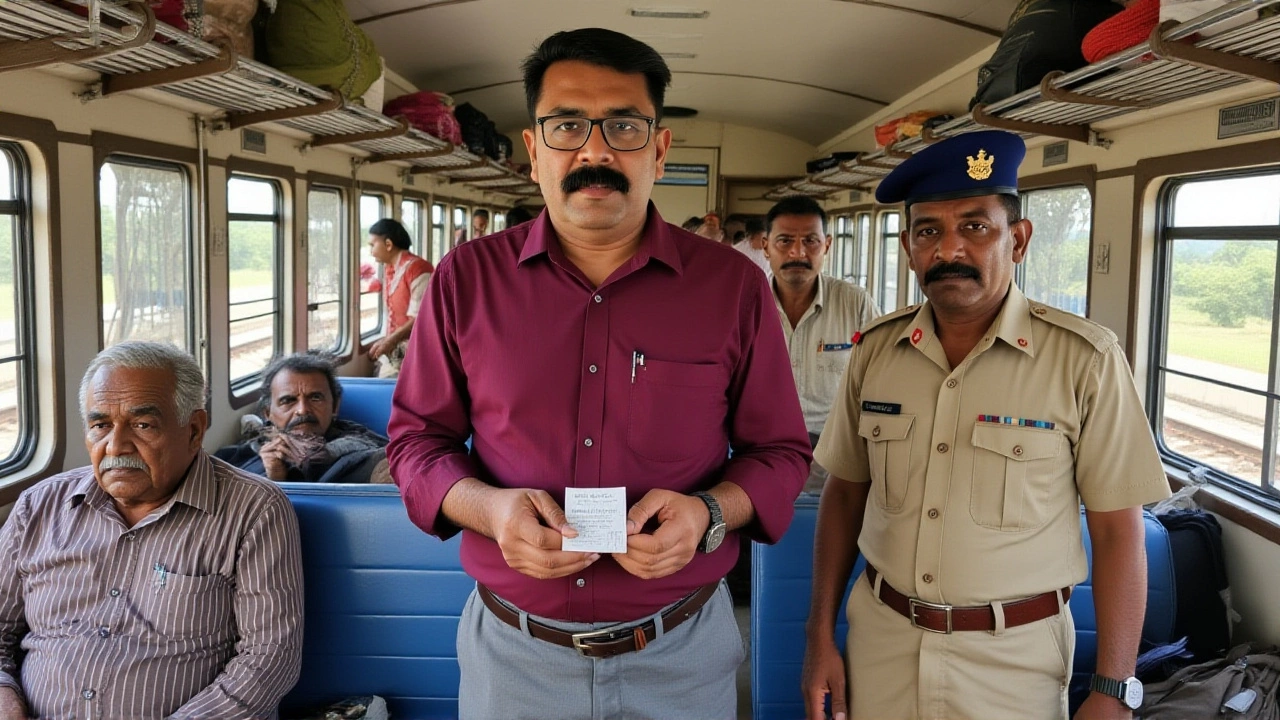
When Malda Railway Division launched its latest blitz against fare evasion this weekend, the results were stark: 527 passengers caught without valid tickets and a fine collection of ₹3,10,945. The crackdown targeted key routes in Bihar, including the Bhagalpur-Goda section, sending a clear message to habitual rule-breakers.
The operation wasn't limited to one location or day. Reports indicate simultaneous checks across multiple zones, from Mandar Hill station in Banka district to various points along the Bhagalpur-Jamalpur and Bhagalpur-Sahibganj lines. While some sources cite Saturday as the primary date for the intense checks at Mandar Hill, others point to Sunday activities across the broader division. Regardless of the specific calendar day, the scale was coordinated and aggressive.
A Coordinated Strike Across Multiple Zones
Here’s the thing about these railway drives—they’re rarely random. This time, Malda Division deployed teams across three distinct railway sections simultaneously. At Mandar Hill station, a crucial stop on the Bhagalpur-Goda line, inspectors combed through every coach and platform. But they weren’t alone. Parallel operations hit the Bhagalpur-Jamalpur and Bhagalpur-Sahibganj corridors.
This multi-pronged approach suggests a strategic effort to cover ground where enforcement might typically be lax. By spreading resources thin but hitting hard in several places at once, the administration aimed to maximize visibility and deterrence. It’s a classic tactic: make the risk of getting caught feel omnipresent.
The Numbers Behind the Crackdown
Let’s look at the data. Out of the hundreds of passengers checked, 527 were found violating ticketing rules. These weren’t just minor infractions; they ranged from traveling completely without a ticket to holding irregular or invalid passes. The total revenue recovered—₹3,10,945 (three lakh ten thousand nine hundred forty-five rupees)—might seem modest compared to the division’s annual budget, but it represents immediate compliance gains.
Interestingly, the average fine per passenger comes out to roughly ₹590. This figure aligns with standard penalty structures for unreserved travel violations under the Railway Act. It’s not just about the money, though. It’s about establishing a baseline of discipline that officials hope will ripple outward.

Official Stance: Zero Tolerance
Railway authorities have been vocal about their intentions. "This is a major step towards ensuring rule compliance," stated officials involved in the operation. They emphasized that traveling without a valid ticket isn’t just a civil infraction—it’s a punishable offense under existing laws. The message is blunt: buy your ticket, or pay the penalty.
There’s also a public appeal woven into the enforcement. Administrators are urging commuters to purchase legitimate tickets before boarding. Why? Because beyond the fines, fare evasion undermines the financial health of the system. Every unpaid ride is a lost resource that could go toward maintenance, safety upgrades, or better services. It’s a collective responsibility, even if individual actions feel small.
What This Means for Commuters
If you’re a regular traveler on these routes, take note. The days of slipping through with an expired pass or no ticket at all are likely over—at least for now. With plans to continue such dense checking campaigns in the coming weeks, the window for casual non-compliance is closing fast.
For the average commuter, the advice is simple: plan ahead. Book online, carry digital proofs, or buy physical tickets from authorized counters. The hassle of a five-minute transaction is far less than the embarrassment and cost of being flagged during a surprise check. Plus, you’ll sleep easier knowing you’re playing by the rules.
Broader Implications for Revenue Protection
Revenue protection is a constant battle for Indian Railways. With millions of daily passengers, even a tiny percentage of evaders adds up to significant losses. Initiatives like this one in Malta Division serve as both a deterrent and a revenue recovery mechanism. They signal that oversight is active and vigilant.
Moreover, these drives often coincide with broader national efforts to digitize and streamline ticketing. As more people shift to mobile bookings, the gap between legitimate users and evaders becomes clearer. Enforcement follows technology, tightening the net around those who refuse to adapt.
Frequently Asked Questions
How much fine was collected in the Malda Railway ticket checking drive?
A total of ₹3,10,945 was collected as fines from 527 passengers caught without valid tickets or with irregular tickets during the recent enforcement campaign.
Which railway sections were targeted in this operation?
The operation focused on the Bhagalpur-Goda, Bhagalpur-Jamalpur, and Bhagalpur-Sahibganj railway sections, with specific emphasis on stations like Mandar Hill in Banka district, Bihar.
Is traveling without a ticket a criminal offense in India?
Yes, under the Railway Act, traveling without a valid ticket is considered a punishable offense. Passengers can face fines and potential legal action depending on the severity and frequency of violations.
Will similar ticket checking drives continue in the future?
Railway authorities have confirmed that these intensive checking campaigns will continue in the coming days as part of a sustained strategy to enforce rule compliance and protect revenue.