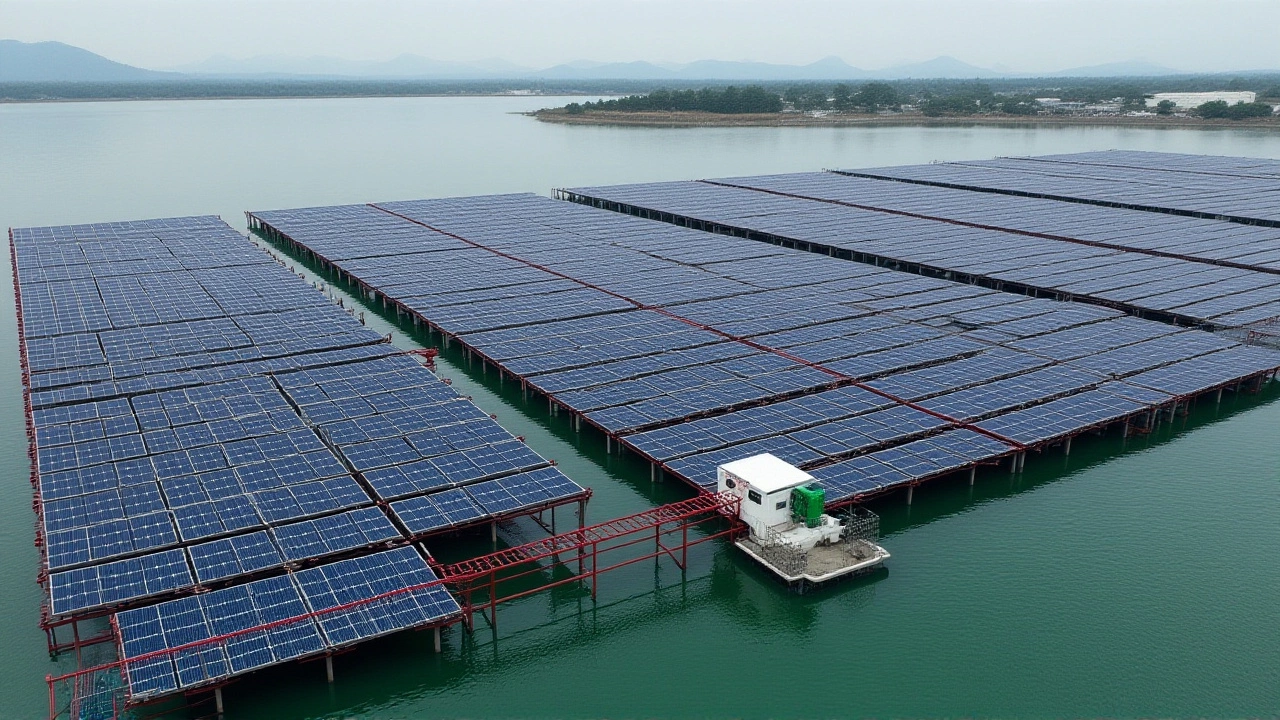
Households in Haryana are looking at a massive financial break for going green this year. Under the central government’s flagship initiative, eligible families—particularly those below the poverty line (BPL)—can secure subsidies ranging from ₹30,000 to over ₹1.1 lakh for installing rooftop solar panels.
The program, officially known as the PM Surya Ghar Muft Bijli Yojana, aims to provide free electricity up to 300 units per month to one crore homes across India. While the central framework sets the baseline, states like Haryana are pushing harder with enhanced state-level incentives, creating a unique opportunity for residents to slash their monthly bills significantly.
How the Subsidy Structure Works
Here’s the thing: the amount you get back depends heavily on your income status and the size of the system you install. The central government, through the Ministry of New and Renewable Energy (MNRE), provides a base subsidy. For a standard household, this typically ranges between ₹30,000 and ₹78,000, depending on whether you install a 2kW or larger system.
But wait—it gets better for low-income families. In Haryana, reports indicate that BPL cardholders can access an additional layer of support. Some sources suggest that for a 2kW system, the combined central and state assistance could cover nearly 90% of the cost, amounting to approximately ₹1,10,000. This effectively means many poor households could have their solar systems installed at little to no upfront cost.
For non-BPL families, the math is still attractive. A typical 3kW system might cost around ₹1.5–1.8 lakh. With a central subsidy of roughly ₹78,000, the out-of-pocket expense drops dramatically. Many banks now offer low-interest loans for the remaining balance, allowing homeowners to pay off the installation through their monthly electricity savings.
Who Qualifies for Free or Subsidized Panels?
You don’t need to be a tech expert to benefit here. The eligibility criteria are straightforward, designed to include as many Indian citizens as possible.
- Indian Citizenship: You must be an Indian citizen.
- Home Ownership: You need to own the house where the panels will be installed. Renters are generally excluded unless they have written permission from the landlord (though policies vary by state).
- Active Electricity Connection: Your home must have an active connection with a local DISCOM (Distribution Company).
- Aadhaar-Linked Bank Account: Since the subsidy is transferred directly via Direct Benefit Transfer (DBT), your bank account must be linked to your Aadhaar card.
Interestingly, there is no caste restriction. The scheme is open to all communities. However, priority is often given to BPL families, who may even receive a 1kW system completely free of charge if they have a pucca (permanent) house structure capable of supporting the panels.
The Application Process: Step-by-Step
Gone are the days of standing in long queues at government offices. The entire process has been digitized. Here’s how it actually works:
- Visit the Portal: Go to the official PM Surya Ghar portal and click on "Apply for Rooftop Solar."
- Select Location: Choose your state (e.g., Haryana) and district.
- Enter Consumer Details: Input your DISCOM name and consumer account number. This links your application to your existing electricity bill history.
- Upload Documents: You’ll need to upload clear scans of your Aadhaar card, ration card (for BPL verification), income certificate, address proof, latest electricity bill, and bank passbook.
- Submit and Wait: Once submitted, authorized vendors will contact you for site inspection and installation.
The twist is that you don’t necessarily need to hunt for vendors yourself. The portal often lists accredited installers. After installation and grid synchronization, the subsidy is credited directly to your bank account.
Why This Matters Beyond the Wallet
It’s not just about saving money. Although the immediate appeal is financial, the broader impact is significant. By generating power at home, households reduce the load on local grids, which are often strained during peak summer months in North India.
Environmentally, widespread adoption of rooftop solar contributes to India’s goal of achieving net-zero emissions by 2070. Each 3kW system installed prevents approximately 3-4 tons of CO2 emissions annually. If one crore homes participate, the environmental benefit is staggering.
Moreover, energy independence offers security. During frequent power cuts in rural and semi-urban areas, solar-powered homes with battery backups (optional but recommended) keep essential appliances running.
Conflicting Claims and What to Watch Out For
Turns out, navigating the details can be tricky. Different sources quote different figures. While Freyr Energy mentions subsidies between ₹30,000 and ₹78,000, some local videos claim BPL families in Haryana get up to ₹1.1 lakh. It’s crucial to understand that the higher figure likely includes both central and specific state top-ups.
Be wary of private agents claiming they can "guarantee" approval or asking for upfront fees beyond the actual equipment cost. The government does not charge any application fee. Always verify installer credentials through the official portal. Also, note that while some claims mention "free panels," this usually applies only to small 1kW systems for BPL categories, not large commercial setups.
Frequently Asked Questions
Is the solar panel installation really free for BPL families?
For Below Poverty Line (BPL) families with a permanent house structure, the government often covers the full cost of a 1kW solar system. This means zero upfront payment for the equipment and installation. For larger systems, the subsidy covers a significant portion, sometimes up to 90% when combined with state incentives in places like Haryana.
How much can I save on my monthly electricity bill?
The scheme aims to provide up to 300 units of free electricity per month. For an average household consuming 200-300 units, this could mean a near-zero electricity bill. Even if consumption exceeds this limit, users report savings of 70-80% on their total monthly costs due to reduced grid dependency.
What documents are mandatory for the application?
You must have your Aadhaar card, a valid electricity bill showing your consumer number, an income certificate (especially for BPL claims), a ration card, proof of residence, and a bank passbook linked to your Aadhaar. Without these, the Direct Benefit Transfer cannot be processed.
Can renters apply for this subsidy?
Generally, no. The primary requirement is ownership of the property because the solar infrastructure is attached to the roof. However, some states are exploring models where landlords can install systems and share benefits with tenants, but currently, the subsidy is primarily targeted at homeowners.
How long does it take to receive the subsidy?
The timeline varies. After installation and successful net-metering setup, the subsidy is usually disbursed within 30-60 days. Delays can occur if documentation is incomplete or if the installation fails quality checks. Always ensure your installer uploads all completion certificates to the portal promptly.