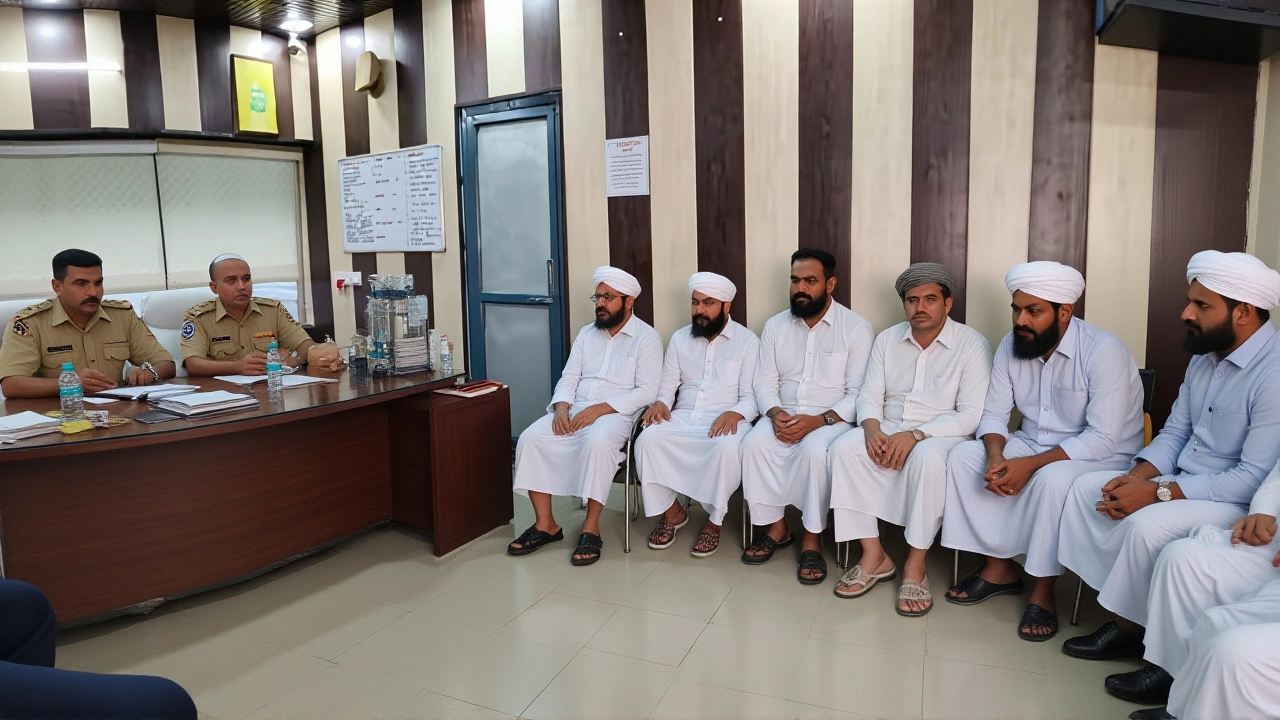
When Anil Kumar, Superintendent of Police of Chandauli District, declared that "no new traditions" would be tolerated during the upcoming festival, he wasn't just speaking to local imams—he was sending a clear warning to potential agitators. Across Uttar Pradesh, from Unnao to Giridih, administration is locking down protocols for Bakrid 2026Uttar Pradesh, aiming for zero incidents.
The twist is that this isn't just about crowd control. It's a coordinated effort involving peace committees, social media monitoring teams, and strict geographical restrictions on where animal sacrifices can take place. Here's what you need to know about the heightened security measures.
Peace Committees Lead the Charge
In Unnao, the Sub-Divisional Magistrate (SDM) and Circle Officer (CO) City convened a critical meeting with religious leaders on May 23, 2026. The goal? To establish harmony before the three-day festival begins. These aren't empty gestures. Authorities are actively coordinating with community elders to ensure that prayers and sacrifices follow established timelines, reducing congestion and potential friction points.
But wait—the scope extends far beyond one district. In the Ganda region, including stations in Ahilyapur and Tara, similar peace committee meetings were held on Saturday afternoon around 4:00 PM. Directed by the Superintendent of Police in Giridih, these sessions emphasized adherence to government guidelines. Local Station House Officers (SHOs) led these discussions, urging citizens to keep celebrations within legal boundaries.
Strict Rules on Sacrifice Sites
Here’s the thing: authorities have drawn a hard line on where animals can be sacrificed. In Chandauli, the District Magistrate (DM) issued explicit orders that sacrifices must only occur at pre-approved, traditional locations. No new sites. No unauthorized areas. This rule applies across all three days of the festival.
Why such strictness? Past years saw disputes arising when communities attempted to create new slaughter zones, often leading to communal tensions or environmental complaints. By restricting activities to known venues, police aim to streamline oversight and minimize chaos. Additionally, SP Anil Kumar stressed that sacrificing prohibited animals remains strictly banned under law—a reminder that tradition doesn’t override legislation.
Digital Vigilance and Youth Monitoring
Turns out, the battlefield isn’t just physical—it’s digital too. A dedicated social media team has been deployed to monitor rumors and false messages spreading online. Misinformation can ignite real-world conflict quickly, so officials are keeping a close eye on platforms like WhatsApp and Facebook.
Youth groups and individuals labeled as “anti-social elements” are under special surveillance. While this approach raises questions about civil liberties, authorities argue it’s necessary to prevent isolated incidents from spiraling into larger disturbances. Night patrols will continue uninterrupted throughout the three-day period, ensuring visibility even after dark.

Hygiene and Community Sensitivity
Beyond security, there’s another layer: public health and decency. Officials reminded residents that meat distributed after sacrifice should be covered properly during transport. This simple step prevents unpleasant odors and visual discomfort in public spaces, fostering mutual respect among diverse communities sharing urban environments.
In Ekouna, the SHO made direct appeals to locals regarding proper conduct during Bakrid. Though specific details weren’t disclosed, the emphasis was clear—follow protocol, respect neighbors, and prioritize cleanliness. These small acts matter more than people realize when maintaining communal peace.
What Does This Mean for You?
If you’re planning to participate in Bakrid rituals this year, expect tighter checks at idgahs (prayer grounds). Magistrates and police personnel will be stationed at major temples and mosques alike. Be prepared for additional scrutiny if traveling with livestock or large quantities of meat.
Experts suggest this proactive stance reflects broader trends in Indian urban management—balancing cultural rights with civic order. As cities grow denser, festivals become logistical challenges requiring precise coordination. Success depends not just on enforcement but also cooperation from citizens who understand why certain rules exist.
Frequently Asked Questions
Where can I perform animal sacrifice during Bakrid 2026?
Only at officially designated, traditional sites approved by local authorities. Creating new locations is prohibited to maintain order and safety. Check with your nearest idgah or municipal office for confirmed spots.
Who is Anil Kumar and what role does he play?
Anil Kumar serves as the Superintendent of Police for Chandauli District. He oversees law enforcement strategies during festivals, including issuing directives on permitted practices and coordinating inter-agency responses to potential threats.
How long will enhanced security last?
Security measures span all three official days of Bakrid. Night patrols remain active continuously, while daytime presence increases near high-traffic religious venues. Expect normalcy to resume shortly after the final day concludes.
Is my privacy at risk due to social media monitoring?
Authorities focus primarily on detecting organized misinformation campaigns rather than individual posts. However, avoid sharing unverified claims or inflammatory content, as rapid spread could trigger unnecessary investigations or panic among users.
Why cover transported meat?
Covering meat reduces odor and visual impact in shared public spaces, promoting hygiene and minimizing offense to non-participants. It’s a practical courtesy encouraged by health departments and neighborhood associations alike.